Connecting Scriptures: Mark 14:22-25, Luke 22:18-20, 1 Corinthians 11:23-25, 1 Corinthians 5:6-8, Luke 12:1, James 2:14-26, John 1:29, 1 Peter 1:19, Isaiah 53:7, John 19:36, Hebrew 11:27-28, John 13:1-38, Revelation 5:6-14
If ever you come across someone who is struggling with the cohesive nature of scripture (or the perceived lack thereof), take them here. The whole of scripture agrees and complements itself, it is a meta narrative that arches out from Old to New. Each origin point finding its connection and completion in Christ Himself and the establishment of His church. Todays readings shine that truth ever so brightly.
There was one more plague to strike Pharaohs hard heart. This one was guaranteed to hit its mark and hit in every home of Egypt. Moses assures Pharaoh that after this one, he will push them out. While it is true Pharaoh’s heart had not changed concerning Israel, we see here in scripture, that a great number in Egypt felt differently. God had given Moses and Israel great favor in their eyes, such that their immediate provision would be supplied by the ones plagued and asking them to leave. As mentioned, this plague, the death of the first born, would be felt all throughout Egypt. It was an answer in full judgement against the nation that had slaughtered Israels sons. Recall, every one was complicit in this (Exodus 1:22, 2:23). God remembered and His deliverance would tie up every loose end and every offense. Thus why Pharaoh dismissed the news that every first born male, from the least to greatest, man or beast, would die—because God had a bigger plan. One to build tradition and faith in the heart of His people.
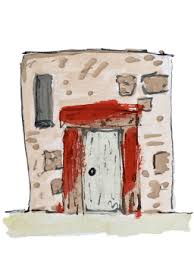
Passover. When the angel of death was made to “passover” the people of Israel, who had applied the blood of a spotless lamb to their doors. This plague would sweep all over Egypt, even Goshen, but God had made a way for his people escape this judgement. In this time of waiting in their houses for God to release them, they were to share a simple meal of lamb, unleavened bread, and bitter herbs. They were to eat it quickly and be ready to move, because God was about to open the door and lead them out of Egypt forever.
Two things stand out to me today as I read these familiar passages.
One, Israel had to take action. They had to do something in order to be saved. Hearing wasn’t enough. They had to take a lamb, slaughter it, and apply the blood with a hyssop branch to the doorpost and lintels of their dwellings. Could God have saved them without this action? Yes! He had already spared them from a number of the plagues to set a distinction between Egypt and His people. But, He chose this way to involve them and for them to perform works of faith. They had ownership, not to take any credit for their saving, but as a cornerstone on the foundation of who they were going to be as a people. God was calling them to obedience. Also, notice how in instituting Passover as a traditional meal to be taken and remembered forever, God was asking them to be active in passing this down to future generations.
Two, just as the blood on the doorposts saved Israel, the blood on the cross saved us. The cross is a door, covered in the sacrifice of our Passover Lamb. It alone opens up the way we are to go to be free from our ultimate plague and enemy—sin and death. God does all the work of salvation, but we must apply this blood in belief. We must admit that we are sinners and our need of Jesus’ sacrifice. We must confess and believe in our hearts that He is Lord. As we do this, we are connecting with Israel all those years ago, painting the wood of their thresholds. We are also called to remember our salvation point as we share the Lord’s Supper with our church communities. Jesus institutes this with the New Covenant and tells his disciples to take it often and together. When we take that juice cup and wafer cracker, it isn’t merely checking off the church calendar to-do. We are reaching back to Jesus when He was on earth, and we are acknowledging a work that we could never have done for ourselves in our strength. Bringing only to the table our sin, Jesus did ALL to save us. This is what we proclaim and remember.
“All the people of Israel did just as the LORD commanded Moses and Aaron. And on that very day the LORD brought the people of Israel out of the land of Egypt by their hosts.”
With provision enough to get them to the next felt need (and trust me, they have a lot), God brings them out. Not a snack, or extra clothes (though they did plunder from the Egyptians) or back-up sandals. Because all they really needed was an exodus out of Egypt, all else would come from God in faith building ways.
Questions for Reflection:
1. In 12:12, it is mentioned that the final plague would strike “all the gods of Egypt” as well as the firstborn sons. Do a deep dive on Egyptian gods. Which gods stand out to you as God opposing directly throughout the plagues? Of course, these weren’t real gods. There is only One God, and it is The LORD. The Egyptian gods were lifeless idols, though certainly the worship was orchestrated by the Enemy and man’s own sinful desires.
2. What are some other correlations you can make between the Passover account and Jesus?
3. What is up with the unleavened bread? What symbolism and importance do you see in the specific rules and observances ordained by God?

 thelifeabundant.org