Connecting Scriptures: Romans 9:17-18, Nehemiah 9:10, Psalm 76:10, 86:8, 106:10, Isaiah 26:10, 63:12-14, Proverbs 13:13, Acts 12:23, Malachi 3:18, Revelation 16:2-21
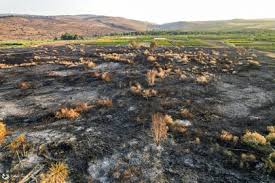
Don’t get me wrong, frogs and bugs are gross. The amount Egypt had to deal with was way more than the nuisance of fruit flies I have to deal with in my kitchen. But the next three plagues get personal. You can swat away a fly, you can’t bring your oxen back to life, or get out of your own plagued skin, or stop the sky from falling in on you. God was getting closer to the livelihoods and quality of life of the Egyptians.
Here we see the same distinction of the fourth plague applied to the people of Israel—they will be spared from the judgement of Egypt. It becomes clear to Pharaoh this time too, that God is setting His people apart. He sends servants to check to see if God did indeed spare the livestock of Israel, but the truth couldn’t pierce his heart. The six plague of boils centers in on an important point. Verse 11 shines a light on the suffering magicians and how they couldn’t stand before Moses. The power of the “gods” was sick. Here we see God tearing down the idolatry that ruled their worship. Idolatry and sin cannot stand before God. The seventh plague sees a shift in many of the Egyptians to perhaps a belief in God. Moses makes it clear to Pharaoh that these plagues are against him and the authority he has used to cause Israels suffering. He is telling him to “wake up”! God warns of the hail that will destroy all those who are not under cover, and gives Egypt a chance to take their belief into action. Many of them do “fear the word of the LORD” and they escape this storm of all storms with their lives in tact.
After this, Pharaoh seems to have listened too. This was to be a false repentance on his part. He may have admitted sin, but God saw his motives, and gave Moses a clue that this was more a response to all the bad happening, not seeing the fault in himself. Earlier, in verse 14, God tells Pharaoh that the judgments are against his heart so that he would know that there was none like God in all the earth. I think he knows, but he is more fed up with God than wanting to turn to Him. While scripture makes it clear that God has hardened Pharaohs heart for a purpose, we see in verse 34 that Pharaoh was also accountable for his heart condition. God’s sovereignty and mans choice are on full display. And yes, it is both.
As if these plagues weren’t enough, God’s people are still held captive by a leader who is riding all the emotions that come. The very ways of life for Egypt have been catastrophically altered. Hardly any livestock to work the fields and provide food, and not much harvest to bring in anyway. They are skin sick and many are looking to the God of Moses as bigger and better than any god they have ever worshipped. But, it can and does get darker for them.
Questions for Reflection:
1. In learning from Pharaoh’s bad example, how can you guard against developing a hardened heart and remain responsive to God’s leading?
2. What lesson can we take away from Moses’ obedience and persistence in delivering God’s message to Pharaoh?

 thelifeabundant.org