Connecting Scriptures: Romans 1, Psalm 105, 78:45, 86:8, Isaiah 40:18, 46:9, Jeremiah 10:7, Proverbs 26:11
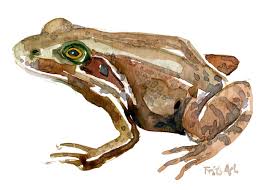
Frogs, gnats, and flies. Oh my. Sounds like a swampy atmosphere to me. For Egypt, it was an unpleasantly smelly, buggy time. What seems like major inconveniences here are setting the stage for a back-and-forth that will display the three-fold purposes of the plagues. One, Egypt was to be judged for its worship of creation rather than the Creator and for its treatment of Israel. Two, God intended with each plague and hardening in Pharaoh’s heart to build faith in His people. He was their God, and He intended to deliver them with a mighty hand. Three, Israel’s liberation from Egypt and all the means by which God would accomplish this, would display God’s glory to the rest of the world.
We see in real time what God meant when He told Moses that he would be like “God to Pharaoh” and Aaron, like prophet. As the frogs and flies cover everything in sight, Pharaoh has to ask Moses to plead with God for them to be removed. Moses was the inside man for Pharaoh and I believe his lack of authority here enraged him. His whole life would have been spent being worshipped as a god himself, being untouchable by the public and given everything he wanted. So, when the magicians whose tricks ran out by plague three, exclaim, “This is the finger of God.”—he had to come face to face with the truth that he wasn’t the biggest thing in the room. He was under threat. There was a God in the world that was greater than any conception of man in his worship of the earth. I think we see this plainly as the things of earth are easily controlled and compelled by the Creator of earth.
After the stink of frogs and swatting of gnats, God’s people in Goshen were given a break as God makes a clear distinction between Egypt and Israel. After plague three, they were set-apart. This was an element of the three-fold plan, remember? God’s people had been so far removed from the patriarchs and life in Canaan, that they didn’t have a cohesive identity outside of their crying out to God for help—until now. Life in Goshen had kept them separate, and they practiced the covenant rituals of Abraham, but they were still smack in the middle of Egypt. Who were they to be? In God sparring them from the annoyance of a fly swarm, we see that they were to be God’s people. He came for them and His care was deep. He was nowhere done showing them this truth, until they believed.
Questions for Reflection:
1. Can you relate to Pharaoh’s attitude of making promises when under threat, then reversing and backing down when life resumes its normal operations?
2. We know that just because we belong to God, it doesn’t mean we are always spared from suffering and hardship. In fact, Jesus promises His believers that if we are to follow Him as His disciples, we are in for a lot of trouble. But, there are times when we have been spared from the worst of situations by God’s hand of mercy, in exchange giving us all grace. When have you experienced God’s shielding hand in your life?

 thelifeabundant.org