Connecting Scriptures: Acts 7:17-29, Psalm 105:8, 23-25, 42, Genesis 15:13-14, Proverbs 16:6, Acts 5:29, Numbers 26:59, Hebrews 11:23-27
In the turn of a page, from Genesis 50 to Exodus 1, we have time traveled 400 years. Some things are the same. The location is Egypt and it is still the greatest nation on earth. Somethings have changed. The once respected family of Joseph, the Vizier of Egypt, has long been forgotten. Now, Israels sons have multiplied greatly and they have become a threat to the Pharaoh on the throne. They went from an honored and protected people, to a sub-class of the peoples of Egypt. In order to control them, they were made slaves and given the lowest jobs—a brute work force. Their life was labor and no rest. Still, they multiplied and grew strong, almost in spite of these harsh conditions.
So, if heavy labor would not subdue them, Pharaoh had the evil idea to kill them at the source. Because babies are expendable, right? Seems like not much has changed over the thousands of years. Bring in the brave Hebrew mid-wives! These women were blessed because they defended the lives of the most innocent and vulnerable. They feared God more than Pharaoh. I think their fears were in the correct proportions, don’t you? Because they valued the lives of their people, they were given families of their own to grow and care for.
Still undeterred in his paranoia and hatred of the Hebrews, Pharaoh then gives all the people of Egypt the right to take any male baby that belongs to the Hebrews and to throw them into the Nile. This means that no place was safe for the future sons of Israel!
Can you imagine an entire nation that rallied behind the call for mass genocide? In our culture today, we look back at the mass genocides of the Holocaust and think: how could so many from a nation be ‘okay’ with the sweeping murder of a people group? We look at the Holocaust and we weep. It makes us ill. Or we look back with shame at the African Slave Trade in America and seek to ‘distance ourselves’ from any family that might have endorsed such atrocity. Or the terrible violence in Rwanda in the 1990’s where people groups sought to wipe each other out.
A whole nation standing by (or taking part) in the taking human life because of fear, or hatred, or even because it ‘made sense’ is terror inducing and terrible. As long as those deaths are adults. But, if anything, we learn from Exodus 1, it is that we have not changed when it comes to standing by as children are murdered. We continue to be complicit in the mass murder of the helpless.
This is the state of our nation right now concerning Abortion. Perhaps you don’t like to talk about these things. Perhaps it feels too political. Perhaps you, like so many others, just like the Egyptians, stand on a side that endorses (or at the least watches apathetically) the lie that it is better for us if we remove those who would threaten our peace. Any voice that seeks to destroy another life as a solution to fear or lack of control must be seen as evil and opposite of the heart of God. In fact, we see how God responds to this breaking point within the cries of Israel. Between the harsh labor they endured (they were used and treated as property) and the fact that their sons were being slaughtered—God heard, God remembered, God saw, and God knew.
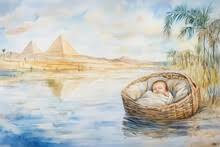
The stage was set for a miracle, the means were impossible and the enemy was great. God was about to set in motion the promises he made to Abraham, Issac and Jacob. The answer was not going to be a mighty man coming into save the day, but the very thing that was being threatened—a Hebrew baby boy. Moses was born to deliver his people in Gods time and in Gods way. When I think on this fact, my mind is cast to Jesus and how he was born in such a low state. He didn’t come the way most people would consider a “deliverer” or king to come. He came to serve and save his people by giving his own life in exchange for theirs; not to reclaim a throne from the Romans (as many thought he would). Moses tried to play the part of “savior” in his own strength, and it got him run out of Egypt. The great exodus of Israel would not come in an action that had to be hidden in the sand for fear. God, through Moses, would save his people boldly so that all the world would know the greatness of God.
Questions for Reflection:
1. Are you seeking for answers to difficult things in this world anywhere outside of Jesus or God’s way?
2. There were many who stood by and said nothing as Hebrew babies were killed – and yet in the midst of this there were two who “feared God more than Pharaoh”. What does it look like to ‘fear God” more today?
3. How is knowing that God is not distant in our suffering, a comfort to you today? How might He be growing your faith in the unexpected ways He chooses to remember and act on your behalf?

 thelifeabundant.org