Connecting Scriptures: Psalm 124:1-3
“I am the God of Bethel.”
What an amazing statement from the Lord, that stopped me in my tracks as I read it, as I am sure it did when God spoke it to Jacob.
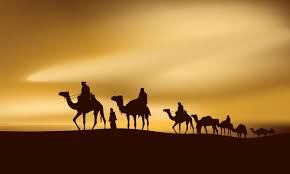
Bethel – the House of God – the place where Jacob first encountered the God of his father and grandfather for himself in a very real way, even if in a dream. The place where God spoke the covenant of Abraham and Isaac over him as he was running off into exile. The God who said, “Behold, I am with you and will keep you wherever you go, and will bring you back…For I will not leave you until I have done what I have promised you.” (Genesis 28:15)
Jacob’s response was odd, but not out of character for him. He made a vow. Maybe he wasn’t sure if what happened in the dream was real or not, but he made a vow about God, that if the God of his fathers would protect, feed and clothe him, then God would be his God.
Bold. But, we do this too. It’s not a prescription, it’s just what happened.
Now, 20 years later, after 4 wives, 12 children and a lot of time in the sun with sheep, working tirelessly while also being scammed and cheated by his uncle Laban (Genesis 31:238-41)—now the Lord speaks to Jacob. He (gently) reminds him of the vow he made 20 years before. It’s one of those “two sets of footprints” poem kind of moments. And God points to Jacob’s flocks and says, “I provided for you and protected you from Laban’s schemes.”
The Lord says, “now it’s time to come home and fulfill the covenant.” The bill is coming due. It isn’t vindictive or manipulative. He simply says, “I’ve kept my end of the deal, now it’s time for you to keep yours.”
But the thing that is the most striking about this whole encounter is that God is ultimately saying: I am the God of your turning point.
Turning point?
He was the God who was there at Jacob’s moment of crisis 20 years before. He was the God who upheld his promise to protect and provide.
Now, at the point of decision, will Jacob will decide whether to keep his vow or not.? Whether to follow God, or continue to follow his own way? God is there, lovingly guiding Jacob through it.
What does Jacob do? He talks to his wife, I mean, wives. He shares the whole conversation he had with God with Leah and Rachel. It feels like he was on the fence, looking for answers or a sign from his ladies.
And there was a sign. These two sister wives who, in the previous chapter warred and schemed against each other for their husbands affections and honor for children, are now united. They are unified in their response, “Whatever God has said to you, do.” (Genesis 31:16)
So Jacob arose and left. He made his decision. He chose God.
From that point on we see him moving (physically and spiritually) towards God. And the closer he gets to the promised land, the closer he draws to the Lord until it is sealed with a busted hip and a new name. But, we’ll encounter that in the next chapter.
This chapter, however is about Jacob’s turning point. Turning to the God of Bethel. The God who hears the vows we speak after a shaky night. The God who is with us wherever we go. The God who calls us to himself after years of wandering and chasing our own way.
He is the God of Bethel.
Perhaps you, like Jacob, have made vows about God. That if certain things happened for you that you would follow him “for real”. Or, perhaps that if he would get you through a situation, that you would surrender your life to him.
Well, the God of Bethel was not speaking only to Jacob. He was speaking to you as well. He is calling for you to “arise and go out from this land…” The land of indecision. The land of self-indulgence. The land of sin and death.
And run to him. The God who has been with you this whole time—he has been patiently enduring, and now calls you to follow.
Questions for Reflection:
1. Perhaps you have a “Bethel” moment in your past, where you encountered God, but held him at arm’s length until you were ‘ready’. What is keeping you from following him today?

 thelifeabundant.org