Connecting Scriptures: 2 Samuel 24:18-25
What a blessing the last decades of Sarah’s life must have been! To have this miracle child after a lifetime of barrenness—and then she gets to raise and enjoy her son. While the majority of her life was perhaps filled with frustrations due to her childless condition, then with the transient lifestyle she followed her husband in, it seems that her last days were filled with laugher because of Isaac.
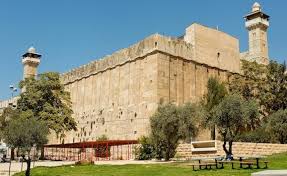
Her passing left Abraham with a heavy heart and a problem that only a sojourner would know. Where does one bury the dead? Away from the well he acquired in Beersheba, Abraham is again in Hebron when Sarah dies, so he goes to the city gate where he would be recognized and asks for land to lay her to rest properly. What proceeds is a back and forth of either genuine respect between Abraham and he city elders, or an attempted manipulation. It guess it depends on your cynical bent, but I choose to believe that the people around Abraham knew that he was a different sort of man. I think that difference set him apart from all the ruthless men of his day. The blessings of God were evident and I think that included favor from his fellow man as well.
Whatever the motivation, Abraham was not willing to take any land for free. He wanted a cave and land to call his own, that would hold his own. I think, in his mind, Sarah deserved something that would cost him. She was a princess, after all.
Different from his first acquisition of land (after the birth of Isaac), now God is again revealing His promises to Abraham in his grief. Was it a comfort to him, to know that God hadn’t forgotten him as he watched his beloved wife of over a hundred years laid to rest? Also, where was Isaac? It stands to reason that Abraham’s wealth and renowned was large and he had a lot of livestock and people that needed tending. Maybe Isaac stayed behind to lead in his fathers absence? Had Isaac struck out on his own?
Questions for Reflection:
1. What does the connecting scripture and todays reading have in common?
2. What actions does Abraham take to deal with his grief and what does this purchase of the burial plot tell us about his faith and understanding of God’s promises?

 thelifeabundant.org