Connecting Scriptures: 1 Chronicles 1:5-27, Isaiah 11:11, Genesis 15:18-21, Luke 3:23-38, Psalm 2, Luke 1:51
As Becki and I got to these chapters in our personal Bible study, we kind of looked at each other with that knowing, ‘This will be fun’ expression as we looked down at the lists of names. I think that is common with most people who read through chapters like this in the Bible where it lists names and names of genealogies. But we put our serious Bible study caps on and dug in, determined to not give up or halfway study God’s Word.
Names. And names. After the flood we are given a chapter of names of descendants of Shem, Ham and Japheth – the sons of Noah.
As the sons of Noah get off the boat, God renews the covenant he made with Adam:
Be Fruitful and Multiply. Fill the Earth, Subdue it, Have Dominion over Creation.
(To Adam: Genesis 1:27-28; To Noah: Genesis 9:7)
In Chapter 10:1-32, we see mankind trying to do that. Names and names. But, just like the cycle we’ve seen between the events of the Fall and the Flood, mankind is growing also in wickedness.
Names leading to another breakpoint event: Babel.
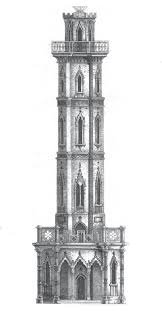
In Chapter 11:1-9 we encounter the unified mindset of mankind in the phrase, “Come, let us build ourselves a city and tower with its top in the heavens, and let us make a name for ourselves, let we be dispersed over the face of the whole earth.” (11:4)
What do you notice in the statement?
Growing up in Sunday school the lesson also centered on the tower that reaches to the heavens, and how man was prideful in trying to get to God. But if you look closer, I think we see something else.
- “Come, let us…make…” It is no coincidence that they use the same language that God does when he was creating mankind and giving us a purpose in HIS IMAGE, and HIS NAME. Yet, sinful man takes the language (and seemingly the authority) from God.
- “Come let us…make a name for ourselves…” Names. We were created in God’s image to glorify him, and yet their desire was something in conflict with God. A name for themselves. This is the sin of Adam and Eve – “If you eat the fruit you will be like God…”
- “lest we be dispersed over the face of the whole earth.” They had one job. Be fruitful and multiply and cover the face of the earth. Yet, in their hearts they desired to be like God, and rebelled against their purpose. They broke the renewed covenant.
Left on their own, mankind once again found themselves back in a heap of sinful mess. The cycle continues. The last time we saw a chapter with a bunch of names like this it was Genesis 5, and that led to the problem at the beginning of Genesis 6 in which mankind was so wicked that God had to flood the earth.
But God had made a covenant with Noah (and us) that he would never punish creation again by flooding the earth due to man’s sin. So how did he address it?
“6 And the Lord said, “Behold, they are one people, and they have all one language, and this is only the beginning of what they will do. And nothing that they propose to do will now be impossible for them. 7 Come, let us go down and there confuse their language, so that they may not understand one another’s speech.” 8 So the Lord dispersed them from there over the face of all the earth, and they left off building the city. 9 Therefore its name was called Babel, because there the Lord confused the language of all the earth. And from there the Lord dispersed them over the face of all the earth.” (Gen. 11:6-9)
Instead of flooding the earth, God confuses their languages and disperses them like flood waters over the face of the earth. They were the flood. And this dispersion accomplished both punishment and covenant because, like a flood, they covered the face of the earth. They were filling the earth and subduing it as He had commanded them.
But where is the salvation, as in the story of Noah? When God flooded the earth, he provided salvation to mankind through Noah and the ark. What about from Babel?
That’s where the rest of Genesis 11:10-32 come in. Names and names. But this time, those names are not leading to more destruction but to salvation— to Abram (Abraham, as he will later be called), and a new covenant.
Notice the literary structure from Genesis 10-11:
Genesis 10:1-32
-Names.
-Be fruitful and multiply. Fill the earth.
-Leading to breaking the covenant.
Genesis 11:1-9
-Sin comes to a head.
-Make a name for ourselves.
-Rebel against the covenant.
-Dispersed like the flood.
Genesis 11:10-32
-Names.
-Be fruitful and multiply. Fill the earth.
-Leading to salvation through Abraham
-Leading to a new covenant
-A chosen people for God’s name.
-Through whom all the world will be blessed and saved.
So what do we see in Genesis 10-11? Names, yes. But we see again the cycle of man’s sin that leads to discipline from a righteous God. We see again how God makes a way of salvation and this time, it’s the start of the TRUE salvation—the permanent fix. From this point on, we are going to dive deeper into God’s rescue plan!
Questions for Reflection:
- As we read about God’s unwillingness to let mankind continue in their sin, and the steps he took to guard mankind from sin and make a way for salvation, what are some ways that God has guarded and blocked you from sin through the power of the Holy Spirit.
- What does reading about this cycle of sin reveal about the cycles of sin in your own life?

 thelifeabundant.org