Connecting Scriptures: Genesis 1:28, 1 Timothy 4:4a, Leviticus 17:10-11, Leviticus 24:17, Matthew 26:52, Isaiah 54:9-10, Revelation 4:3, 1 Kings 8:23, Romans 8:19-25, Habakkuk 2:5, 15-16, Deuteronomy 27:16
Life after the flood. A second Genesis occurs as we open our chapter for today. We see familiar commands of being fruitful in their multiplication. Instead of man having dominion over creation, now creatures will live in fear of what was supposed to be a co-habitation relationship pre-fall. In this change up, we see the first law given to man, post-flood. Do not consume meat with blood still in it. I think this was to pave the way for the importance of blood and the sacrificial system. The law is further drawn out in the consequences of taking another life made in God’s image. Blood for blood and death for the taker.
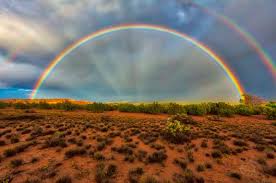
The Noahic covenant is drawn out in verses 8-17. As we saw with Adam, God’s relationship with mankind will be marked with Him making and keeping every promise. In His mercy and grace, God accompanies these promises upheld by his faithful love, with a sign. For Adam, the sign was a curse and the promise of a curse breaker in the One who would crush the head of the serpent. For Noah, all of mankind and creation, God promises to never destroy the earth again with a world wide flood. He would not end all life this way again. The sign is the most natural thing to see after a bad storm—a rainbow. God’s miracle working light and water cycle bowed from our perspective in a brilliant curve of awe. The rainbow equals a promise of life sustained. God would keep this planet spinning, He would keep the seasons turning. This beautiful place would keep bearing sin-filled humanity up, taking our punches and providing a home.
From Noah’s sons, all humanity would come. We will see next chapter all the lineage of these three men (buckle up). For now, know that from Shem comes Israel. From Japheth come Gentiles (raise your hand my people!). From Ham would come Canaan (notice the repetition that we would know the relationship?). From Canaan would come the enemies of God, those who future generations of Israel would be commanded to drive out of the Promised Land.
As much as this chapter is a second creation chapter, the correlation ends there. While God did blot out all life, sin still remained. Even for Noah and his sons. Noah, in what I can imagine was a way to deal with the burden of life after the flood, the heaviness of “surviving”—he cultivated a vineyard (time consuming) and got drunk off its harvest. The naked shame of drunkenness (Habakkuk 2:5, 15-16) causes the heart of Ham to disrespect his father. He tells his brothers of his fathers folly, instead of covering Noah’s shame himself. We know it was an evil intent on Ham’s part because of Noah’s reaction and curse afterward. His brothers do what is right, and they are blessed.
This is how the chapter ends, curses and blessings. Father and sons, split by poor decisions and harmful actions. Yes, sin still reigns here, in this new world.
Questions for Reflection:
1. What does it say about God’s character that He gives us a sign to believe in His promises?
2. What does it mean to cover shame for another? Do you see how our unveiling of another sin in such a public way does more harm than good? Read 1 Peter 4:8. What can you do to make sure you are loving others through their difficulties, while at the same time holding up truth?

 thelifeabundant.org